Attractions visits and Tours we arrange
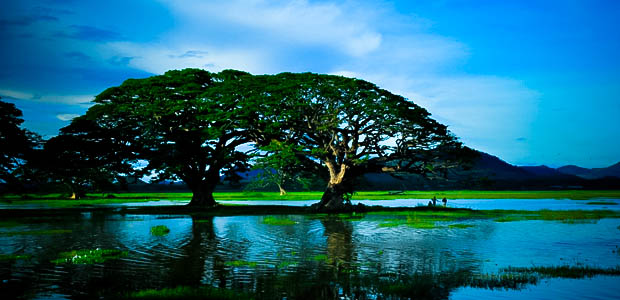
Tissamaharama is one of the most pleasant towns in the southern coast. The beautiful man-made tank (reservoir) in Tissa, Tissa Wewa with its remarkable bird life provides the scenic backdrop to the town
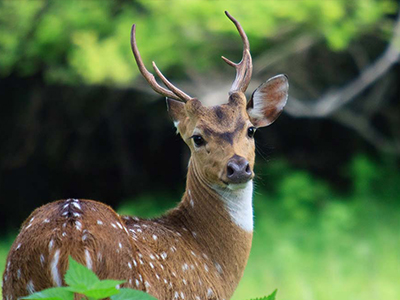
Yala National Park (divided into Yala East and Yala West) is situated in the southeast corner of Sri Lanka, approximately 300 kilometres from the capital, Colombo.
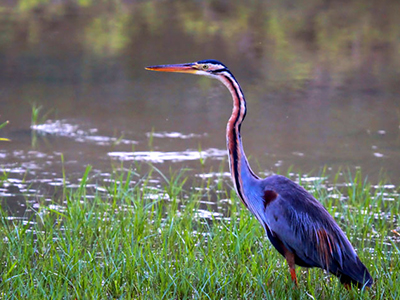
Bundala is an important wetland sanctuary that has been recognised under the Ramsar Convention on Wetlands, but it has always been less visited than Yala. It shelters some 150 species of birds.
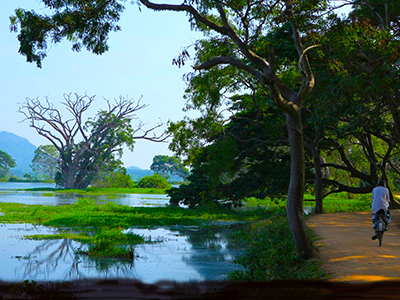
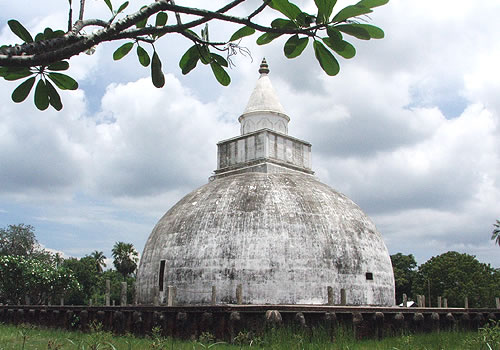
Most impressive is the restored Maha Stupa, built by King Kavantissa in the 3rd century BC located between Tissa town centre and the tank. It was the largest dagoba in the island at the time. Today, for Buddhist pilgrims, it is one of the sixteen most sacred sites in the country.
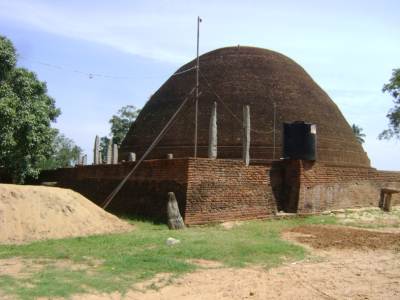
Nearby stands the Sandagiri Dagoba, together with the remains of a monastery complex. A walk around the dagoba provides us with an insight into the construction of the great dagobas. Santagiri dagoba, too was built by Kavantissa in the second century BC.
By the Tissa-Deberawewa road is Yatala Wehera, built 2300 years ago by King Yatalatissa with its surrounding wall of sculpted elephant heads & moat and large moonstone.
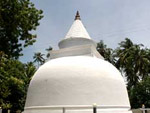
We continue down the road for a couple of hundred meters to reach the Menik dagoba.
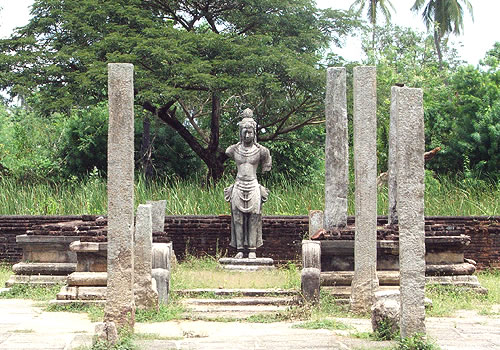
The small cluster of pillars you pass en route is all that remains of the Galkanumandiya, thought to be some kind of monastic building
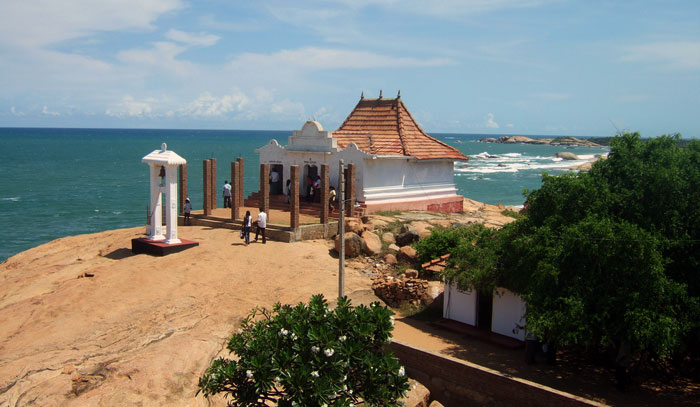
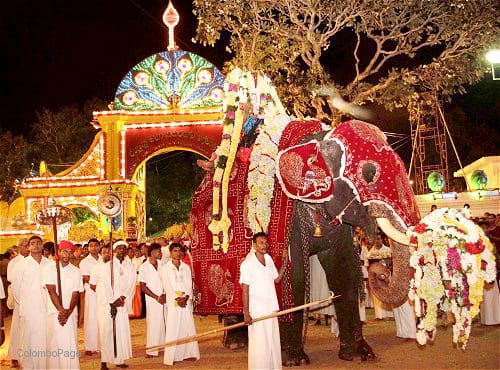
Kataragama is one of the oldest and certainly the most venerated variety of religious sites of pilgrimage devoted to various deities of Buddhist, Hindu and Muslim worship in Sri Lanka
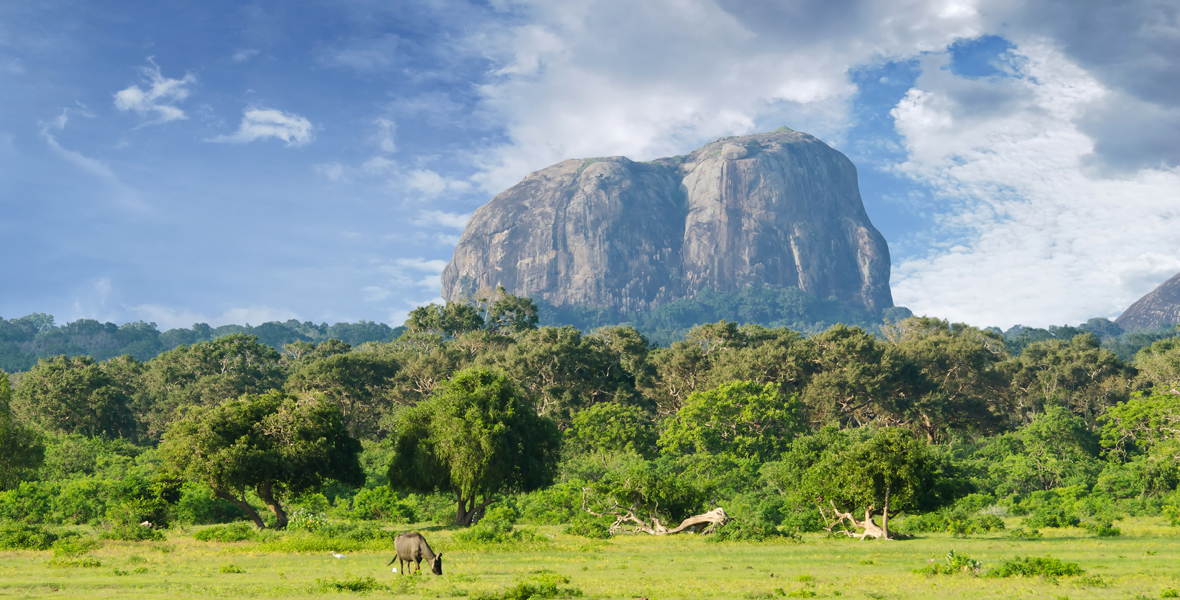
According to legends God Kataragama is believed to have lived on the mountain called and known as Wedihiti Kanda, scared to both Buddhists and Hindus. A walk of 2 hours will make you reach the summit of this holy mountain.
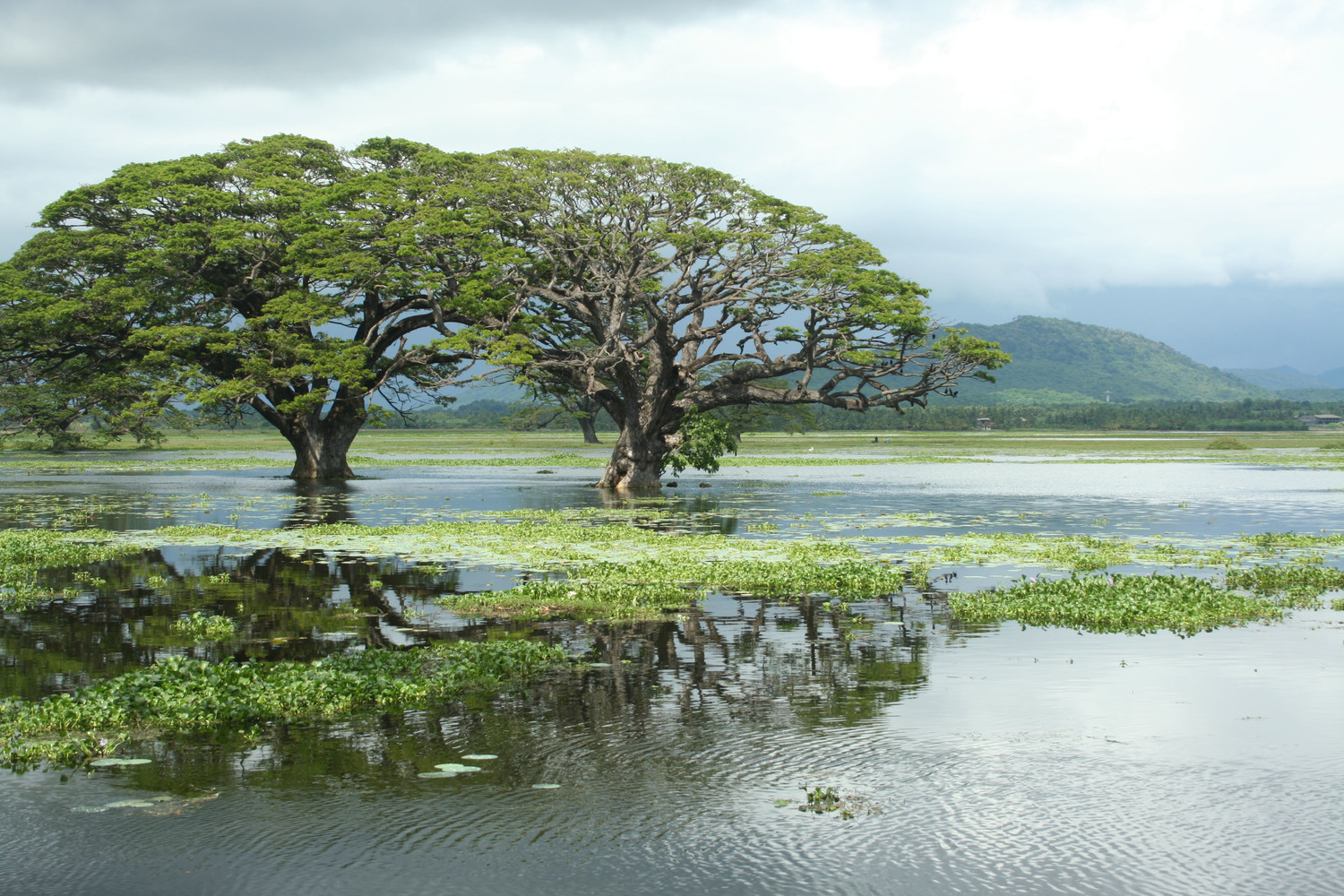
North of the modern town lies the beautiful Tissa Wewa, an expansive artificial lake built by King Kavantissa in the 2nd century BC of the ancient southern kingdom of Ruhuna.
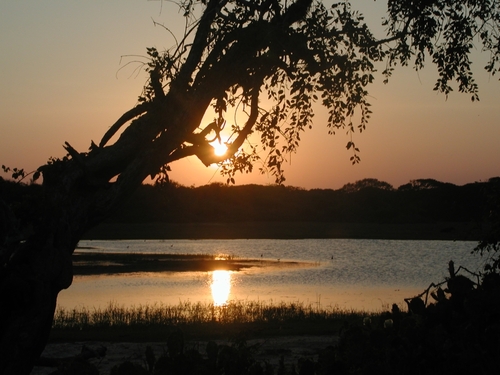
Between the northern & southern turn-offs to Tissa, the Hambantota Wellawaya road runs on a causeway across the large Wirawila Wewa (Reservoir). The best time for bird watching is early morning.
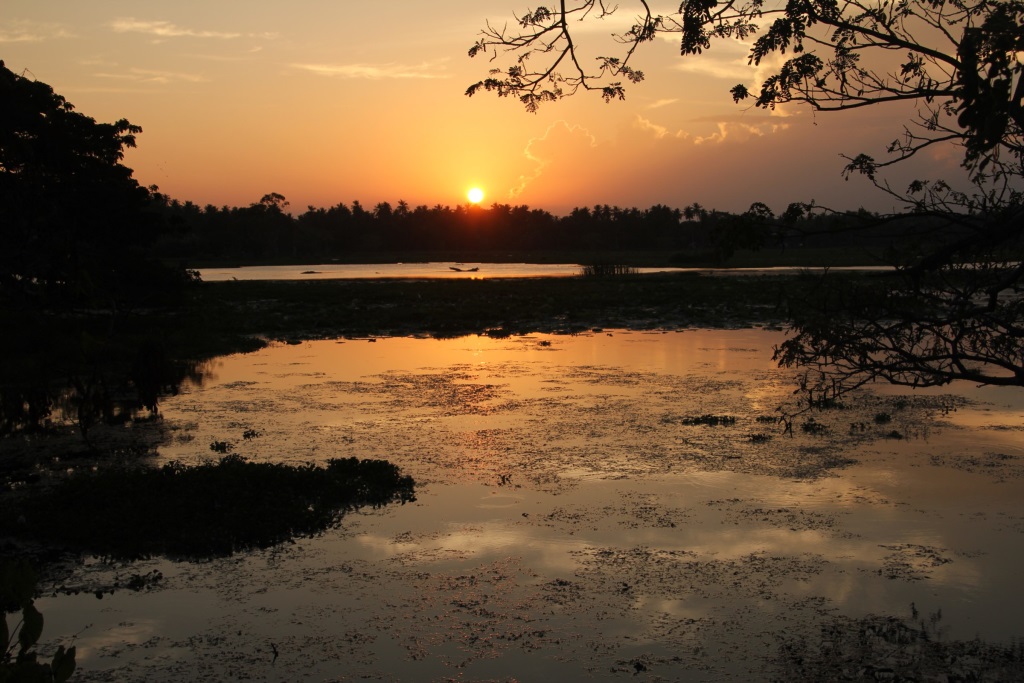
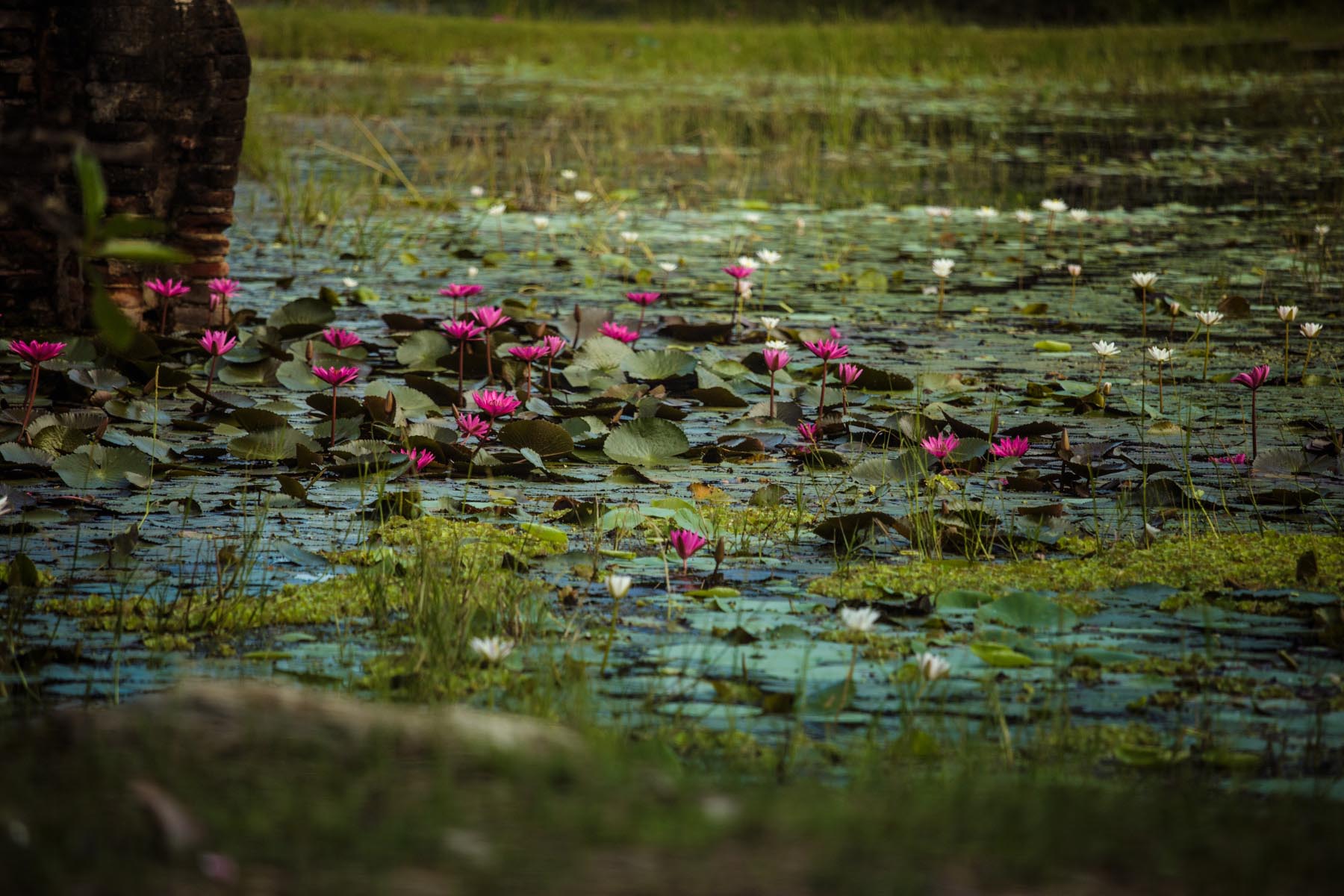
At the far end, a track leads to the smaller adjacent man-made lake of Deberawewa, another haven for birdlife, its surface prettily covered in water lilies.
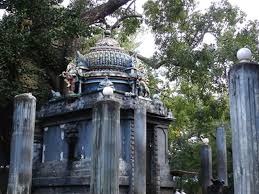
Sella-Kataragama is 5km away from the Kataragama town. When Valli, a daughter of a Vedda chieftain refused to marry God Skanda, suddenly an elephant appeared out of the jungle frightening her.
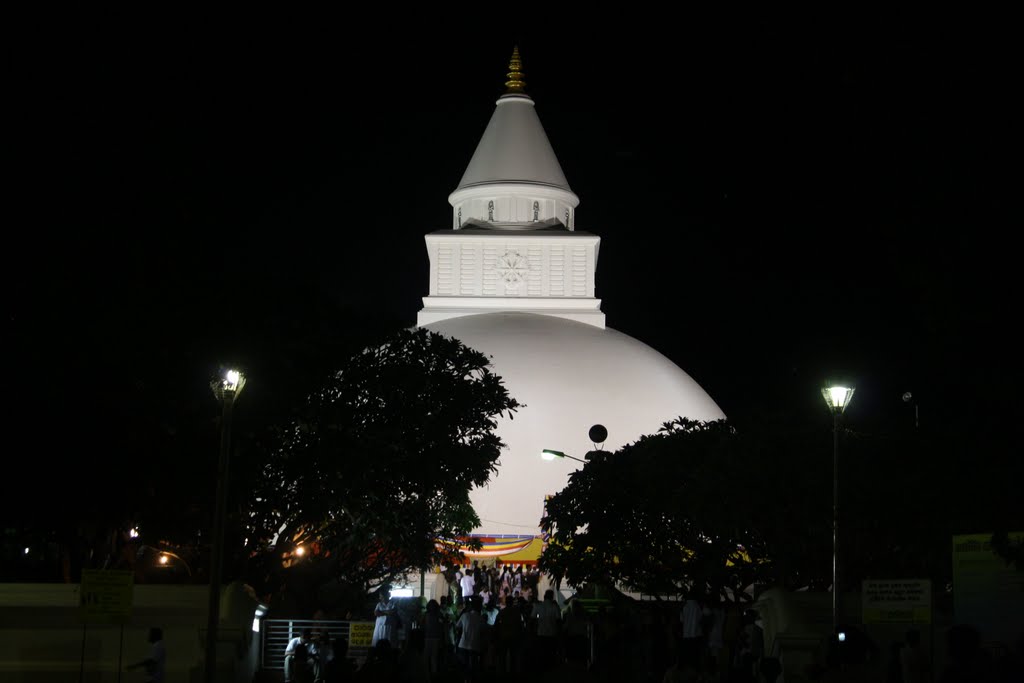
Kiri Vehera is 95 ft. in height and has a circumference of 280 feet. It is believed that King Mahasena, who ruled over Kataragama area, became a follower of Buddhism during Lord Buddha's third and final visit to Sri Lanka, who in return, built the Kiri Vehera Dageba.
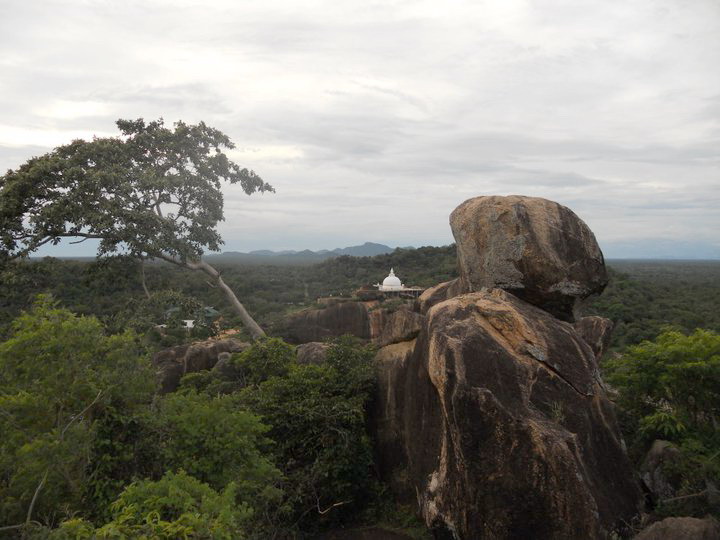
Sithulpawwa rock temple is located within the Yala National Park where over 12,000 Arhats or monks were supposed to have meditated during the 1st century BC.